One Merry Grandma Svg: A Designer’s Take
The First Impression
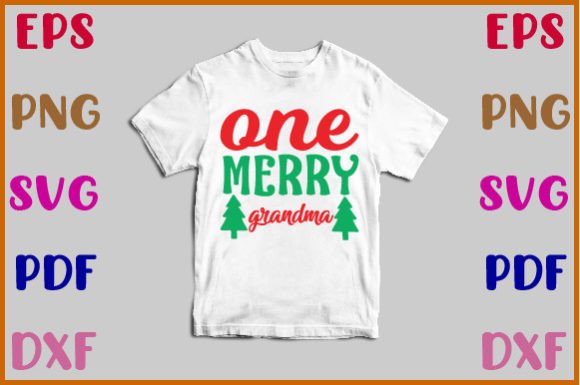
One Merry Grandma Svg immediately catches the eye with its warm, whimsical charm. The design is a playful nod to nostalgia, featuring a cartoon-style grandma figure surrounded by festive elements like a dog, flowers, and holiday decorations. The layout is balanced and inviting, with clear spacing between elements that makes it easy to read at a glance. It feels like something you’d see on a vintage Christmas card—friendly, familiar, and just the right amount of quirky.
Fitting Into Real Projects
As an embroidery designer, I find One Merry Grandma Svg particularly well-suited for custom apparel, especially sweatshirts and t-shirts. The design has enough detail to stand out but isn’t so intricate that it becomes overwhelming. It would work beautifully on a holiday-themed tote bag, adding a touch of cheer without overpowering the overall look. For personalized gifts, it could be a perfect addition to a baby blanket or a pillow cover, bringing warmth and personality to everyday items.
It also has potential as a patch design, especially for applique projects where the outline can be filled with satin stitch for added dimension. The embroidery file seems versatile enough to adapt to different hoop sizes and fabric types, which is always a plus for a craft business or Etsy seller looking to offer variety in their product line.
Real-Life Embroidery Considerations
When testing One Merry Grandma Svg in real-life scenarios, there are a few things to keep in mind. The stitch density appears reasonable, making it suitable for most machine embroidery designs. However, the detail level might pose challenges on small hoop sizes or thin fabrics, where the design could become too dense or lose clarity. On stretchy fabrics like cotton blends, the design may require additional stabilizer to maintain shape and prevent puckering.
Another consideration is color contrast. While the design is visually appealing in its current form, the thread colors should be tested against the background fabric to ensure visibility. Dark fabrics, in particular, may require a contrasting thread color to make the design pop. A quick black and white mockup can help identify any areas that might not translate well in monochrome.
Where to Use with Caution
There are certain applications where One Merry Grandma Svg might need extra care. For example, using it on curved surfaces like caps or hats could lead to distortion if not properly scaled. Similarly, layered garments or textured fabrics might cause the design to appear uneven or misaligned. If the design includes small lettering or detailed corners, these areas should be inspected closely for stitching clarity and consistency.
For commercial embroidery, it’s important to confirm the licensing terms before selling finished products. As a digital embroidery file, One Merry Grandma Svg should be reviewed for any restrictions on usage, especially if it’s intended for craft business or Etsy listings. Always double-check whether the design can be used for both personal and commercial purposes without violating any copyright or usage policies.
Impact on Visual Appeal and Branding
One Merry Grandma Svg has the potential to elevate the visual appeal of a handmade product, especially when paired with complementary elements like a holiday embroidery or nursery decor. Its design assets are approachable and relatable, which can help build customer trust and foster a sense of connection with the brand.
From a branding perspective, the design offers flexibility. It can be used consistently across various product lines, from custom apparel to printable mockups, helping to create a cohesive and recognizable identity. Whether it’s a personalized gift or a small shop product, the design’s friendly tone aligns well with the handmade product aesthetic.
Practical Design Notes for Embroidery Professionals
Before using One Merry Grandma Svg in a project, I recommend a few key steps. First, test the design on scrap fabric to evaluate how it looks in real life. Next, check the thread color contrast against the background fabric. Review the stitch density to ensure it’s appropriate for the fabric type and hoop size. Also, inspect small details like tiny lettering and decorative accents to confirm they’re clear and well-defined.
Finally, consider the usage context. If the design is intended for commercial embroidery, make sure it’s compatible with your electronic cutting machine and that you have the proper stabilizer for the fabric you’ll be using. And don’t forget to verify the licensing terms to avoid any legal issues down the line.